Simple Tips for Organizing Your Home Office for Increased Productivity
Creating a well-organized home office can make a big difference in how efficiently you work and how comfortable you feel throughout your day. When your workspace is cluttered or chaotic, it’s easy to get distracted or stressed. On the other hand, a simple and tidy environment encourages focus and helps you stay motivated.
In this post, we’ll explore some straightforward tips to organize your home office for increased productivity. Whether you’re just setting up a new space or looking to refresh an existing one, these ideas can help you create an environment that supports your work goals.
1. Start by Decluttering Your Workspace
Before adding any organization tools or storage solutions, it’s important to clear out what you don’t need.
– Sort through your items: Keep only the tools, documents, and equipment that you use regularly.
– Remove distractions: Put away personal items or things unrelated to work.
– Create a “maybe” box: If you’re unsure about certain items, place them in a box and revisit in a few weeks. If you don’t miss them, consider donating or recycling.
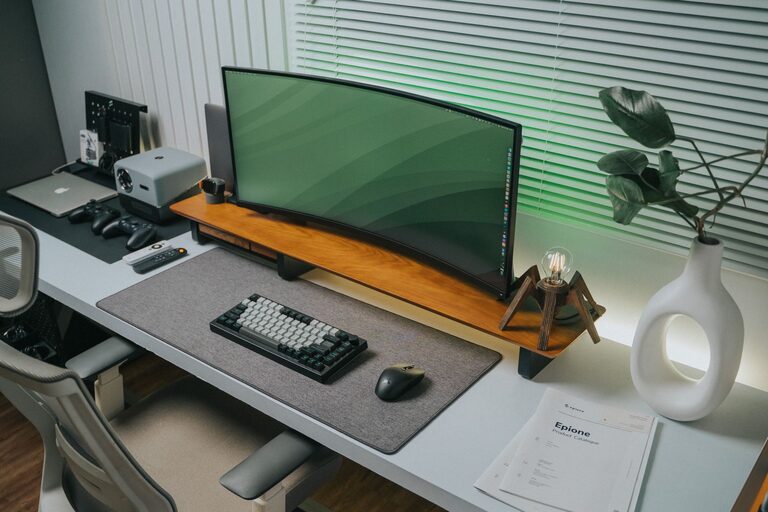
A clutter-free desk can instantly improve your focus and free up space for essential tasks.
2. Choose the Right Desk and Chair
An organized home office isn’t just about things being in order—comfort and ergonomics matter too.
– Desk size: Pick a desk that fits your space but still has enough surface area for your computer, a notebook, and other necessary items.
– Storage: Desks with built-in drawers or shelves help keep small supplies within easy reach but out of sight.
– Comfortable chair: Invest in an ergonomic chair with adjustable height and lumbar support to maintain good posture throughout the day.
Comfort reduces fatigue and helps you maintain productivity over longer periods.
3. Use Storage Solutions That Suit Your Style
Different types of storage help keep your office neat without feeling overcrowded.
– Shelves: Wall-mounted shelves save floor space and display books or decor.
– Drawers and organizers: Drawer dividers or desktop organizers keep pens, paper clips, and other supplies sorted.
– Filing systems: Use filing cabinets, boxes, or magazine holders to categorize paperwork by priority or project.
– Cable management: Use clips, sleeves, or cable boxes to keep cords from tangling and creating a mess.
Choosing solutions that blend with your decor makes the space enjoyable to work in.
4. Optimize Lighting for Comfort and Focus
Good lighting reduces eye strain and improves mood.
– Natural light: Position your desk near a window if possible, to benefit from daylight.
– Task lighting: Add a desk lamp with adjustable brightness for focused work.
– Avoid glare: Arrange screens to minimize reflections and avoid direct light in your eyes.
Proper lighting helps you stay alert and diminishes headaches or fatigue.
5. Arrange Your Workflow for Efficiency
Design your space around how you work best.
– Zone your areas: Create separate spaces for computer work, phone calls, and paperwork.
– Keep essentials nearby: Store frequently used items within arm’s reach to avoid interruptions.
– Use a whiteboard or planner: Visual reminders and to-do lists help track your daily goals and deadlines.
Organizing by task type makes transitions smoother and reduces time spent searching for things.
6. Personalize Your Office Mindfully
Personal touches can boost motivation but should not cause clutter.
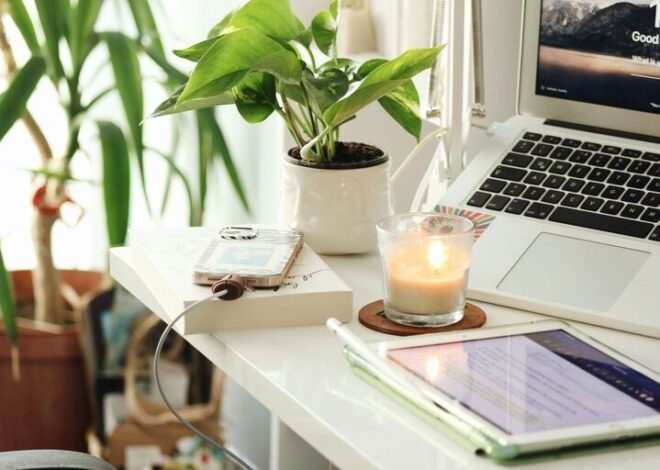
– Add plants: Small, easy-care plants improve air quality and add a calming touch.
– Display inspiring items: Photos, quotes, or artwork that you love can keep your spirits up.
– Limit decorations: Keep décor simple so it doesn’t distract you from working effectively.
A welcoming, personalized space can improve your mood and creativity.
7. Maintain Your Organized Space Regularly
Finally, regular maintenance helps sustain productivity long-term.
– End-of-day tidy-up: Spend a few minutes each evening putting things back in place.
– Weekly review: Go through papers, toss junk mail, and update your to-do list.
– Reassess when needed: Every few months, evaluate your setup and make improvements.
Consistency is key to keeping your home office organized and efficient.
—
By applying these simple tips, you can transform your home office into a productive, comfortable space. Organization doesn’t need to be overwhelming—start small, keep the essentials within reach, and create a system that supports how you work best. A tidy and thoughtfully arranged environment helps reduce distractions and keeps motivation high, so you can accomplish more every day.