Tips for Creating a Relaxing Home Office Environment
Creating a relaxing home office environment is essential for anyone working remotely or running a business from home. A calm and comfortable workspace can help improve focus, reduce stress, and boost overall productivity. Whether you have a dedicated room or a small corner in your living space, there are simple ways to make your home office inviting and effective.
In this post, we’ll cover practical tips to design a home office that feels relaxing and motivates you to work efficiently.
Choose the Right Location
The first step to creating a relaxing home office is selecting the best spot in your home. Ideally, pick a space with the following features:
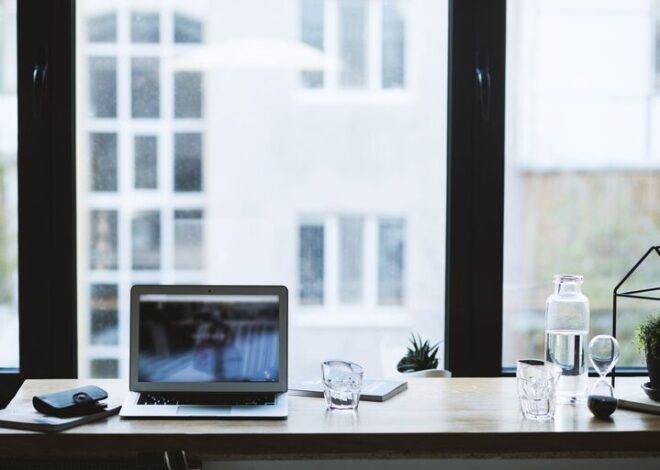
– Natural light: Exposure to sunlight can improve your mood and energy levels. Choose a location near a window if possible.
– Minimal distractions: Avoid high-traffic areas or noisy spots like the kitchen or living room.
– Enough space: Ensure there is room for your desk, chair, and any necessary office supplies.
Even if space is limited, setting up a corner with a small desk and sound-dampening accessories can still make a big difference.
Invest in Comfortable Furniture
Comfort is key when spending hours at your desk. Investing in ergonomic furniture can prevent aches and keep you focused.
– Ergonomic chair: Choose a chair with good lumbar support and adjustable height.
– Desk at the right height: Your desk should allow your arms to rest comfortably at a 90-degree angle.
– Footrest: If your feet don’t touch the ground comfortably, use a footrest to avoid strain.
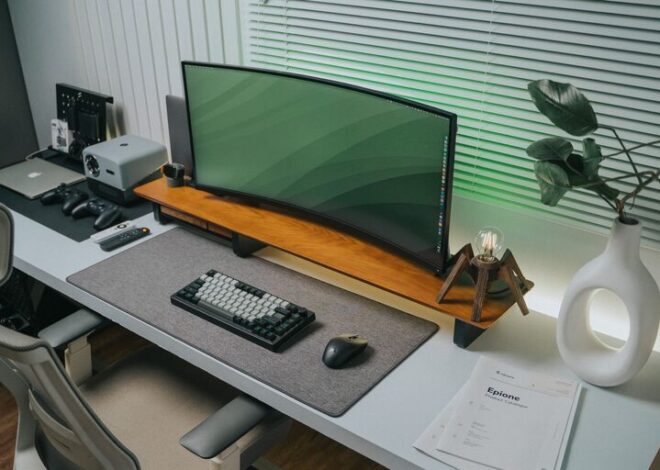
– Adjustable monitor stand: This helps maintain neck and eye alignment.
Comfortable furniture supports your posture and reduces fatigue, helping you stay relaxed throughout the day.
Declutter and Organize Your Space
A clutter-free workspace promotes a clear mind. Try these organization tips:
– Use storage solutions: Drawers, shelves, and filing cabinets help keep items off your desk.
– Limit desktop items: Only keep daily essentials on your desk.
– Cable management: Use clips or sleeves to organize cords and avoid tangled messes.
– Regular tidy-ups: Spend a few minutes at the end of each day to tidy your workspace.
An orderly environment reduces stress and makes it easier to focus on work tasks.
Incorporate Calming Colors and Decor
The colors and decor you choose affect your mood and creativity. Consider these ideas:
– Soft, neutral colors: Shades of blue, green, beige, or pastels create a soothing ambiance.
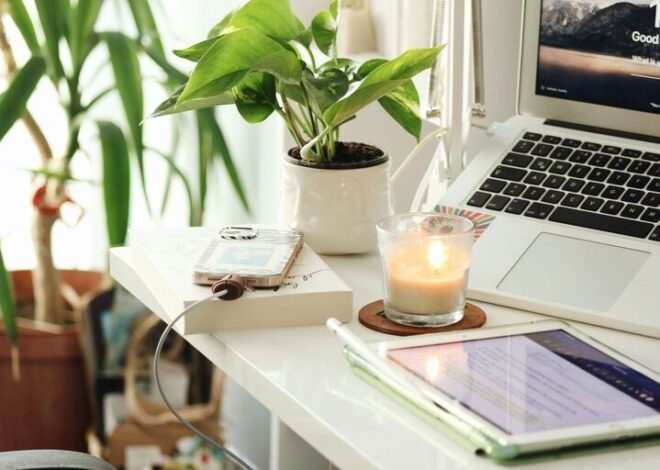
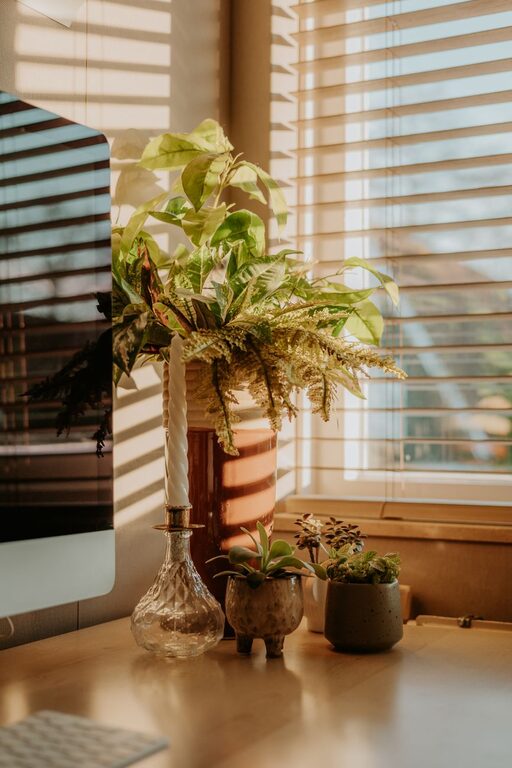
– Natural elements: Add plants or flowers to bring freshness and purify the air.
– Personal touches: Display inspiring photos, artwork, or meaningful objects—but keep it minimal.
– Quality lighting: Use a combination of natural light, task lighting, and soft ambient lights.
Creating a visually pleasing space can help you feel calmer and more inspired.
Manage Noise and Sounds
Noise can be distracting and interrupt your concentration. To create a more peaceful environment:
– Use noise-cancelling headphones: Great for blocking out background noise.
– Add soft textiles: Rugs, curtains, and cushions absorb sound.
– Play background music or white noise: Light instrumental music or ambient sounds can help improve focus.
– Close doors and windows: This simple step reduces external noise.
Controlling sound levels contributes significantly to a relaxing office environment.
Prioritize Good Air Quality
Fresh air boosts your energy and helps keep your mind sharp. Here are some ways to improve air quality:
– Ventilate regularly: Open windows for a few minutes when possible.
– Add indoor plants: Certain plants, like spider plants or snake plants, help filter air.
– Use an air purifier: Especially helpful if you have allergies or live in a polluted area.
– Maintain humidity: Use a humidifier or dehumidifier to keep your space comfortable.
Good air quality prevents fatigue and promotes well-being while working.
Set Boundaries and Routine
Creating a relaxing home office isn’t just about the physical setup; habits matter too.
– Define work hours: Set a schedule to start and end your workday.
– Create a transition ritual: For example, closing your laptop or clearing your desk signals the end of the workday.
– Take breaks: Step away every hour to stretch or breathe deeply.
– Avoid multitasking: Focus on one task at a time to reduce mental clutter.
A healthy routine helps maintain balance and mental calm throughout your day.
Add Personal Wellness Elements
Finally, consider adding items that promote your well-being:
– Essential oil diffuser: Scents like lavender or eucalyptus can relax you.
– Comfort items: A cozy blanket or ergonomic wrist rest adds comfort.
– Exercise equipment: Keep a yoga mat or small weights nearby for quick movement breaks.
– Inspirational quotes or vision boards: Motivational visuals boost positivity.
Incorporating wellness practices supports relaxation and helps you feel more at ease in your workspace.
—
Creating a relaxing home office is about combining comfort, organization, and personal touches that support your work style and wellness. With these tips, you can design a space that not only looks good but also feels peaceful and productive. Start small and adjust your environment over time to find what works best for you. Happy decorating!