
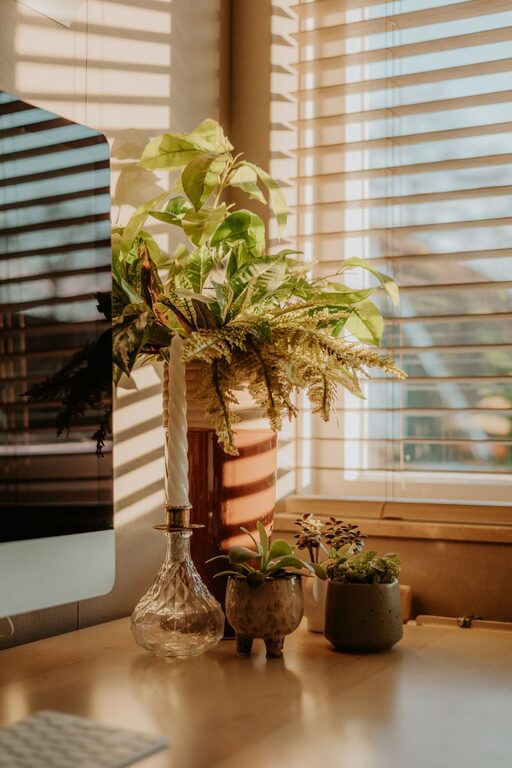
Tips for Creating a Relaxing Home Office Environment
Creating a relaxing home office environment is essential for anyone who spends a significant amount of time working from home. A calm and inviting workspace can increase productivity, reduce stress, and help maintain a healthy work-life balance. Whether you have a dedicated room or a small corner, these tips will help you design a home office that promotes focus and comfort.
Choose the Right Location
Selecting the right spot for your home office is the first step toward creating a relaxing workspace.
– Natural Light: Try to place your desk near a window to take advantage of natural light. It improves mood and reduces eye strain.
– Quiet Space: Pick a quiet area where you won’t be easily distracted by household noises or busy foot traffic.
– Separate Zone: If possible, separate your office space from your living and sleeping areas to mentally distinguish work time from personal time.
Invest in Comfortable Furniture
Comfortable furniture is key when setting up a relaxing home office.
– Ergonomic Chair: Choose an ergonomic chair that supports good posture, reducing the risk of back and neck pain.
– Adjustable Desk: Consider a desk with adjustable height so you can switch between sitting and standing during the day.
– Adequate Surface Space: Make sure your desk is large enough to hold your computer, office supplies, and other essentials without cluttering.
Create an Organized Workspace
Organization helps reduce stress and keeps your mind clear.
– Declutter Regularly: Keep only what you need on your desk. Store extra items in drawers or shelves.
– Use Storage Solutions: Use organizers, filing cabinets, and baskets to keep papers and supplies tidy.
– Cable Management: Use clips or sleeves to keep cords and cables neatly arranged and out of the way.
Incorporate Soothing Colors and Decor
Colors and decor can greatly influence your mood and productivity.
– Soft Colors: Use calming colors like blues, greens, or neutrals on the walls or in your décor to create a peaceful atmosphere.
– Personal Touches: Add a few personal items such as photos, plants, or artwork that inspire and motivate you.
– Minimalist Approach: Avoid overcrowding your space with too many decorations, as this can be distracting.
Optimize Lighting
Proper lighting can reduce eye strain and create a warm, inviting space.
– Layer Lighting: Use a mix of overhead lighting and task lights to ensure sufficient brightness.
– Adjustable Desk Lamp: A lamp with adjustable brightness and direction can help focus light exactly where you need it.
– Avoid Glare: Position your screens and lighting to prevent glare on your monitor.
Add Natural Elements
Bringing elements of nature into your workspace can enhance relaxation.
– Houseplants: Plants improve air quality and have been shown to reduce stress and increase concentration.
– Natural Materials: Incorporate wood, stone, or other natural materials in your furniture or decor for a calming effect.
– Nature Sounds: Playing soft nature sounds or white noise in the background can help mask distracting noises.
Set Boundaries for Work and Rest
Maintaining clear boundaries helps you stay relaxed both during and after work hours.
– Defined Work Hours: Set specific work hours and stick to them to avoid burnout.
– Break Area: If possible, create a separate spot in your home to take breaks and recharge.
– Remove Work Items After Hours: Close your laptop and put away work supplies at the end of the day to mentally switch off.
Prioritize Air Quality and Temperature
A comfortable temperature and fresh air can improve focus and wellbeing.
– Ventilation: Open windows when possible or use an air purifier to keep the air fresh.
– Comfortable Temperature: Adjust heating or cooling to maintain a comfortable environment; neither too hot nor too cold.
– Humidity: Use a humidifier or dehumidifier if necessary to maintain balanced humidity levels.
Use Technology to Your Advantage
Technology can help create a smooth, stress-free workday.
– Noise-Cancelling Headphones: These can help block out distractions, especially in shared or noisy homes.
– Productivity Tools: Use apps that help you organize tasks, take breaks, and manage time effectively.
– Screen Setup: Consider dual monitors or larger screens to reduce eye strain and make multitasking easier.
Maintain Regular Cleaning Habits
A clean space contributes to a peaceful mind.
– Daily Tidy Up: Spend a few minutes each day clearing your desk and arranging items.
– Weekly Deep Clean: Wipe surfaces, dust shelves, and vacuum the floor regularly.
– Sanitization: Keep your keyboard, mouse, and phone sanitized to maintain a healthy environment.
—
Creating a relaxing home office environment doesn’t have to be complicated or expensive. By making thoughtful choices about your space, furniture, organization, and atmosphere, you can build a workspace that helps you feel calm, focused, and motivated every day. Start with small changes and adjust as you find what works best for you. A peaceful home office can lead to better work quality and greater satisfaction in your daily routine.
